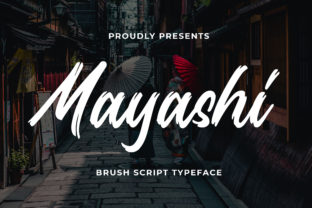
Mayashi Script Font for Editorial Design and Branding
When selecting the right Script Handwritten typeface to elevate a publication’s visual identity, Mayashi stands out as a versatile and emotive choice. This friendly and modern script font with a unique style offers designers and content creators a distinctive tool for adding personality without sacrificing readability. Whether you are designing a digital newsletter, a print magazine, or a downloadable ebook, the decision of which fonts to use directly impacts how readers perceive your brand’s tone and professionalism.
In an era where visual hierarchy is crucial for capturing attention on crowded screens and printed pages, typography serves as the backbone of editorial design. Mayashi provides that romantic touch to any crafting project while maintaining a contemporary edge suitable for professional publishing. Its fluid strokes and approachable aesthetic make it an ideal accent font for headers, pull quotes, and branding elements that need to convey warmth, elegance, and authenticity.
Enhancing Blog Headers and Digital Magazine Covers with Mayashi
The first impression of any article or magazine cover often relies on its headline typography. Using Mayashi for blog headers allows publishers to immediately establish a warm, inviting tone that encourages readers to delve deeper into the content. Unlike rigid sans serif fonts that can feel cold or corporate, this modern script font with a unique style introduces a human element to digital layouts. For lifestyle bloggers, food writers, or fashion editors, incorporating Mayashi into featured post titles creates a sense of intimacy and personal connection.
For digital magazine covers, the legibility of headlines is paramount. While script fonts can sometimes be challenging to read at small sizes, Mayashi strikes a balance between decorative flair and clarity. When used for main cover text, it draws the eye effectively against clean backgrounds. Designers should consider pairing Mayashi with a sturdy serif font for body copy or a neutral sans serif font for subheadings. This contrast ensures that while the headline captures attention with its romantic character, the supporting text remains easy to scan on mobile devices and desktop screens alike.
Adding Emotional Depth to Ebook Titles and Chapter Openers
Self-publishers and course creators often overlook the impact of typography in ebooks, yet the choice of fonts plays a significant role in reader engagement. Mayashi is particularly effective for ebook titles, table of contents headers, and chapter openers. The font’s friendly nature makes complex topics feel more accessible, which is especially valuable for educational guides, wellness workbooks, or creative coaching materials. By using Mayashi for section breaks or introductory quotes, authors can break up dense text and provide visual rest stops for the reader.
Furthermore, the unique style of Mayashi helps in creating a consistent brand identity across a series of publications. If you are releasing multiple volumes of a guide or a serialized story, maintaining a cohesive typographic voice builds trust and recognition. The romantic touch it adds to any crafting project extends naturally to narrative-driven content, enhancing the storytelling aspect of your writing. It transforms standard chapter headings into designed moments that reflect the mood of the content within.
Optimizing Newsletter Graphics and Social Media Content
In the fast-paced world of email marketing and social media, static images and graphics must communicate quickly and effectively. Incorporating Mayashi into newsletter graphics allows brands to inject personality into promotional emails and updates. The font’s modern script aesthetic works well for highlighting key dates, special offers, or featured articles within a weekly digest. It adds a layer of sophistication that distinguishes a brand from competitors who rely solely on standard system fonts.
Social media platforms like Instagram and Pinterest thrive on visually appealing quote graphics and inspirational posts. Mayashi is an excellent choice for these assets because its handwritten quality feels authentic and curated. When paired with minimalist backgrounds or soft color palettes, the font enhances the aesthetic appeal of the image. Creators can use Mayashi for short, impactful phrases, ensuring that the message is not only seen but felt. This emotional resonance can lead to higher engagement rates, as users are more likely to save and share content that feels personally crafted and aesthetically pleasing.
Creating Elegant Printable Guides and Lead Magnets
Lead magnets such as printable planners, worksheets, and checklists are powerful tools for building an email list and establishing authority. The design quality of these free resources often reflects the perceived value of the paid products offered by the creator. Using Mayashi for titles and decorative elements in these printables elevates their perceived worth. The font’s ability to add a romantic touch to any crafting project makes it perfect for wedding planning guides, budget trackers with a feminine aesthetic, or creative journal templates.
When designing for print, it is essential to ensure that the chosen fonts render clearly on paper. Mayashi’s clear letterforms and moderate stroke weight make it highly legible in both large display sizes and smaller instructional text, provided it is used appropriately. Designers should reserve Mayashi for headings and accents rather than long paragraphs of body text. This strategic use maintains visual interest without compromising the usability of the document. High-quality PDF exports of these materials showcase the font’s details, reinforcing the brand’s commitment to excellence.
Strategic Font Pairing for Modern Typography
To maximize the effectiveness of Mayashi, thoughtful font pairing is essential. A common and effective strategy in editorial design is to combine a display script font with a highly readable serif or sans serif font. For instance, pairing Mayashi with a classic serif font like Garamond or Merriweather creates a timeless look suitable for literary blogs or traditional magazines. Alternatively, combining it with a clean geometric sans serif font like Montserrat or Lato yields a more contemporary, fresh vibe ideal for tech-savvy audiences or modern lifestyle brands.
This combination leverages the strengths of each typeface: the script font adds character and emotion, while the secondary font ensures clarity and structure. When designing layouts, maintain a clear hierarchy by using Mayashi for primary headings and the paired font for subheadings and body text. Consistency in this pairing across all your design assets—from web headers to printed brochures—strengthens your brand identity. Additionally, always verify the included styles, alternates, and ligatures of the font to ensure you have all the necessary characters for multilingual support if your audience is global.
Commercial Licensing and Professional Use Cases
For professional designers and business owners, understanding the licensing terms of any Script Handwritten font is critical. Mayashi is designed for commercial use, making it suitable for client publications, branded merchandise, and sold digital products. Whether you are creating packaging design elements, logo design accents, or web design components, ensuring you have the proper license protects your business from legal issues. Many creators find that investing in a high-quality premium font pays off in the longevity and versatility of the design asset.
The versatility of Mayashi means it can be utilized across various mediums, including screen reading interfaces, PDF exports, and physical print runs. Its modern typography fits seamlessly into current design trends that favor handcrafted aesthetics. By integrating Mayashi into your toolkit, you gain a reliable partner for creating content that is not only visually attractive but also structurally sound and emotionally resonant. Ultimately, the right font choice enhances the reader’s experience, turning casual visitors into loyal followers and customers.